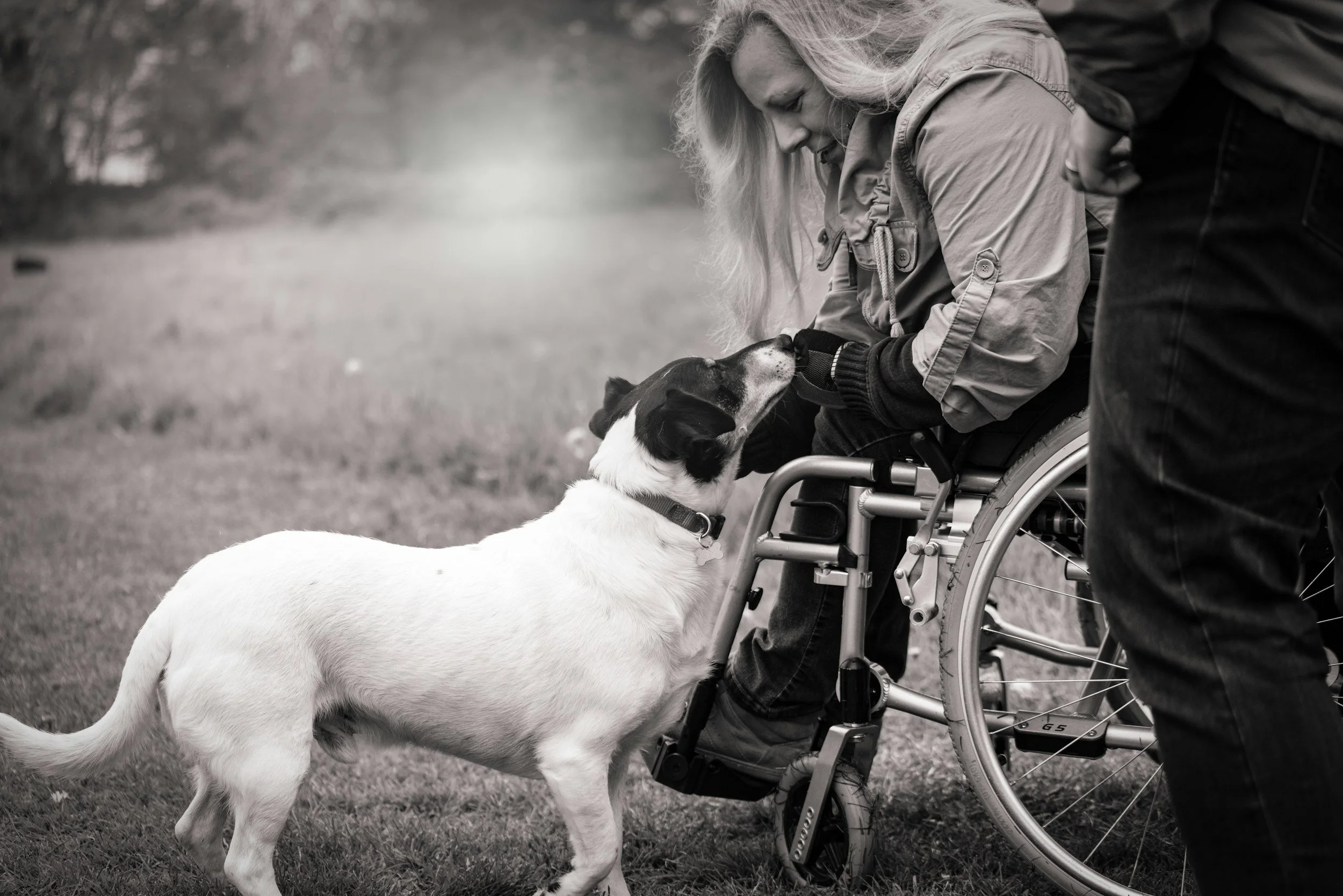
10 Things I wish I knew after Spinal Cord Injury
You’re not alone in thinking… “Why didn’t anyone tell me this?”
After a spinal cord injury, there’s a lot of information but not always the kind that actually helps in day-to-day life.
The small things. The frustrating things. The things that don’t get covered in rehab but make a big difference to how your day feels.
This page is about those things.
And more importantly how we can support you through them..


You’re not alone in thinking… “Why didn’t anyone tell me this?”
After a spinal cord injury, there’s a lot of information but not always the kind that actually helps in day-to-day life.
The small things. The frustrating things. The things that don’t get covered in rehab but make a big difference to how your day feels.
This page is about those things.
And more importantly how we can support you through them..
TIPS FOR
Getting out the door takes strategy
Is the place accessible?
Can I park close enough?
Are there bathrooms I can use?
Spontaneity becomes rare
2. Evidence-Based Pain Education
We provide education consistent with current research in persistent pain management, including:
The role of the central nervous system
Pain as a protective output
The difference between tissue damage and pain experience
Neuroplasticity and capacity for change
Education aims to reduce fear, increase understanding, and support behavioural change.
3. Identifying Patterns & Addressing Boom–Bust Cycles
Many individuals with persistent pain experience cycles of overactivity followed by symptom exacerbation.
Intervention focuses on:
Identifying behavioural and activity patterns
Understanding the balance between perceived threat and safety
Exploring the “safety surveillance system” and nervous system sensitisation
Developing pacing strategies to reduce flare-ups
This stage supports improved regulation and sustainable activity engagement.
4. Graded Re-Entry & Self-Management Planning
We implement structured, graded re-engagement in meaningful activities.
This may include:
Task-specific graded exposure
Functional capacity building
Energy conservation strategies
Return-to-work planning
Development of a personalised self-management plan
The focus is on restoring participation safely and progressively.

Get in Touch
Adults are capable of meaningful change at any stage of life. With the right support, clear education, and gradual re-engagement in valued activities, many people can rebuild confidence, increase participation, and improve their overall quality of life.
If you would like to explore whether this service is right for you, we welcome you to get in touch.