
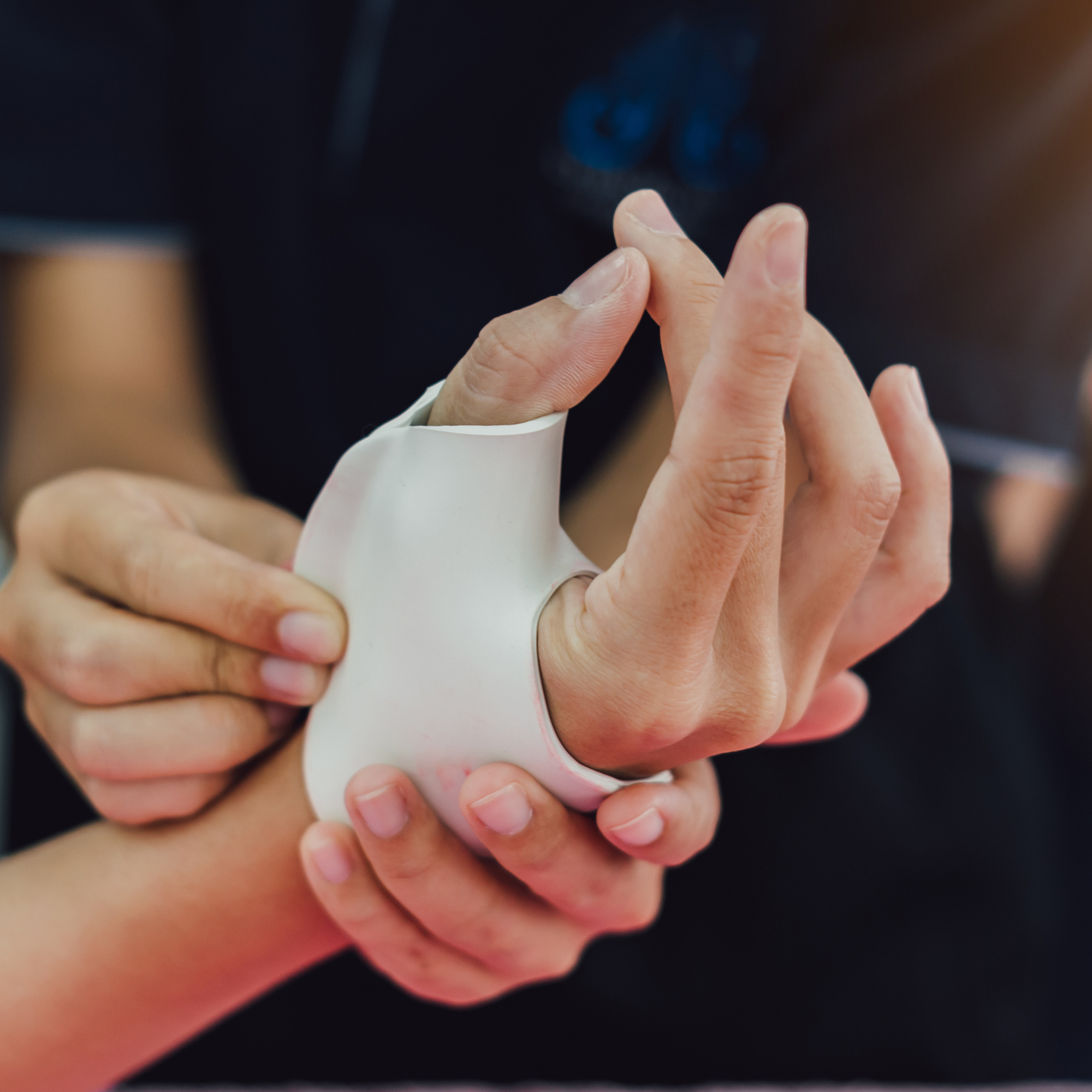
Upper Limb & Hand Function After Neurological Injury (Brisbane)
Changes in arm and hand function can have a big impact on independence. Tasks like dressing, eating, or using a phone can suddenly become difficult or frustrating.
What this might look like day to day
Weakness in the arm or hand
Reduced coordination or control
Difficulty gripping or holding objects
Reduced sensation
Struggling with fine motor tasks
Why this happens
Neurological conditions can affect how signals are sent between the brain and the muscles.
This can impact strength, coordination, and sensation, making everyday hand and arm use more challenging.
What helps
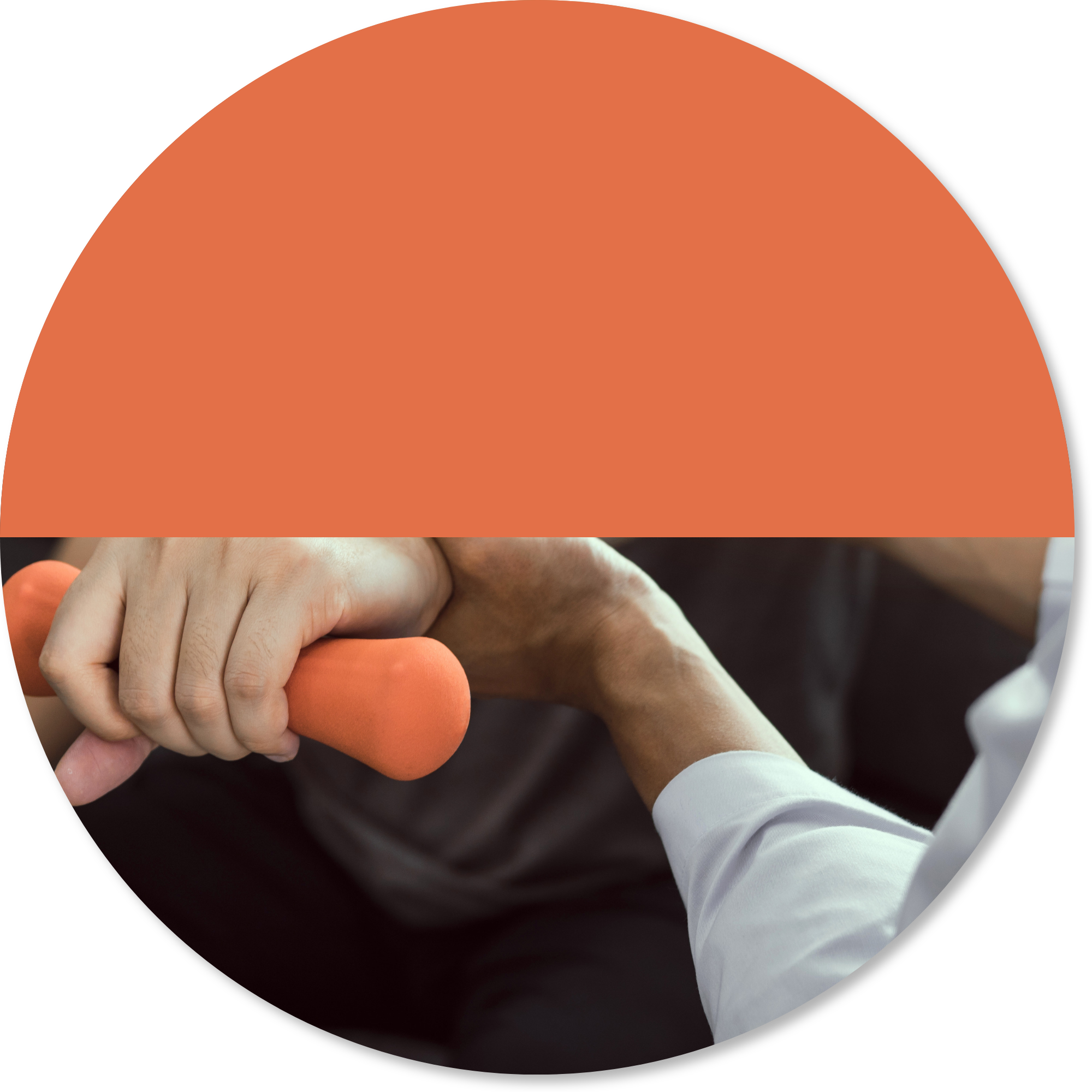
Task-specific practice
Strengthening and coordination exercises
Adaptive techniques
Gradual rebuilding of function
Using the hand in real-life activities
How Occupational Therapy helps
We provide targeted upper limb rehabilitation focused on real-world function.
This may include:
Task-specific training
Fine motor skill development
Strength and movement retraining
Our approach
We focus on practical, meaningful use of the arm and hand — helping you rebuild function in ways that matter to your daily life.
Get Support
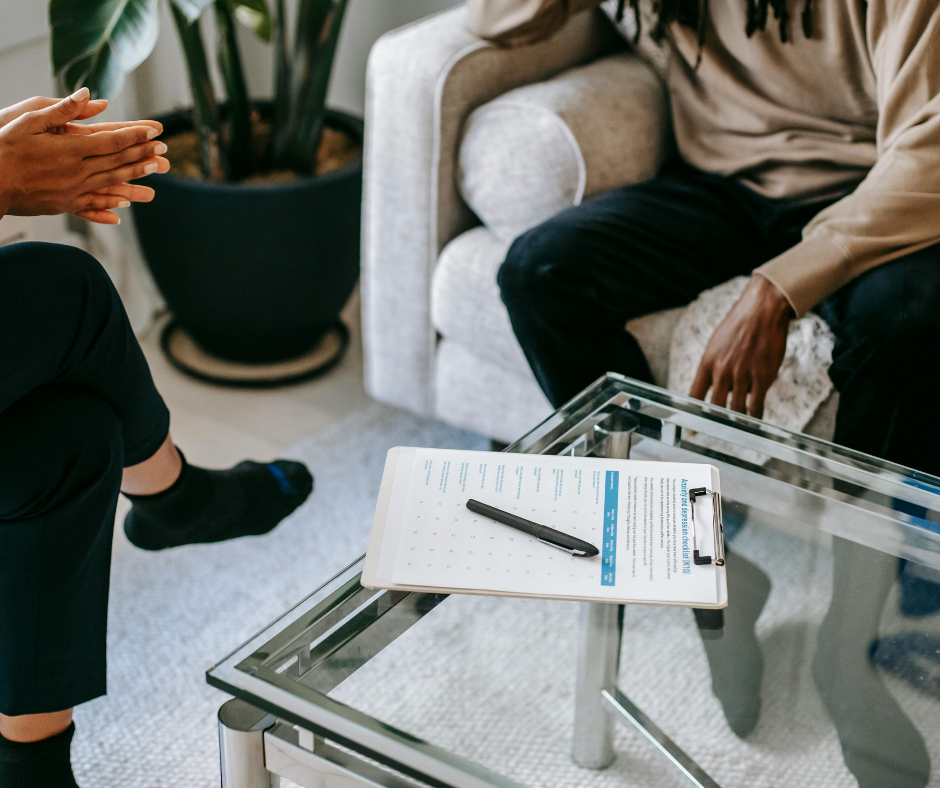
If upper limb function is limiting your independence, we can help you rebuild confidence and ability.
Get support to understand your options or get in touch to speak with us directly.