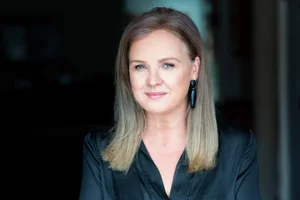
Real, Raw, Remarkable. An FND lived experience story:
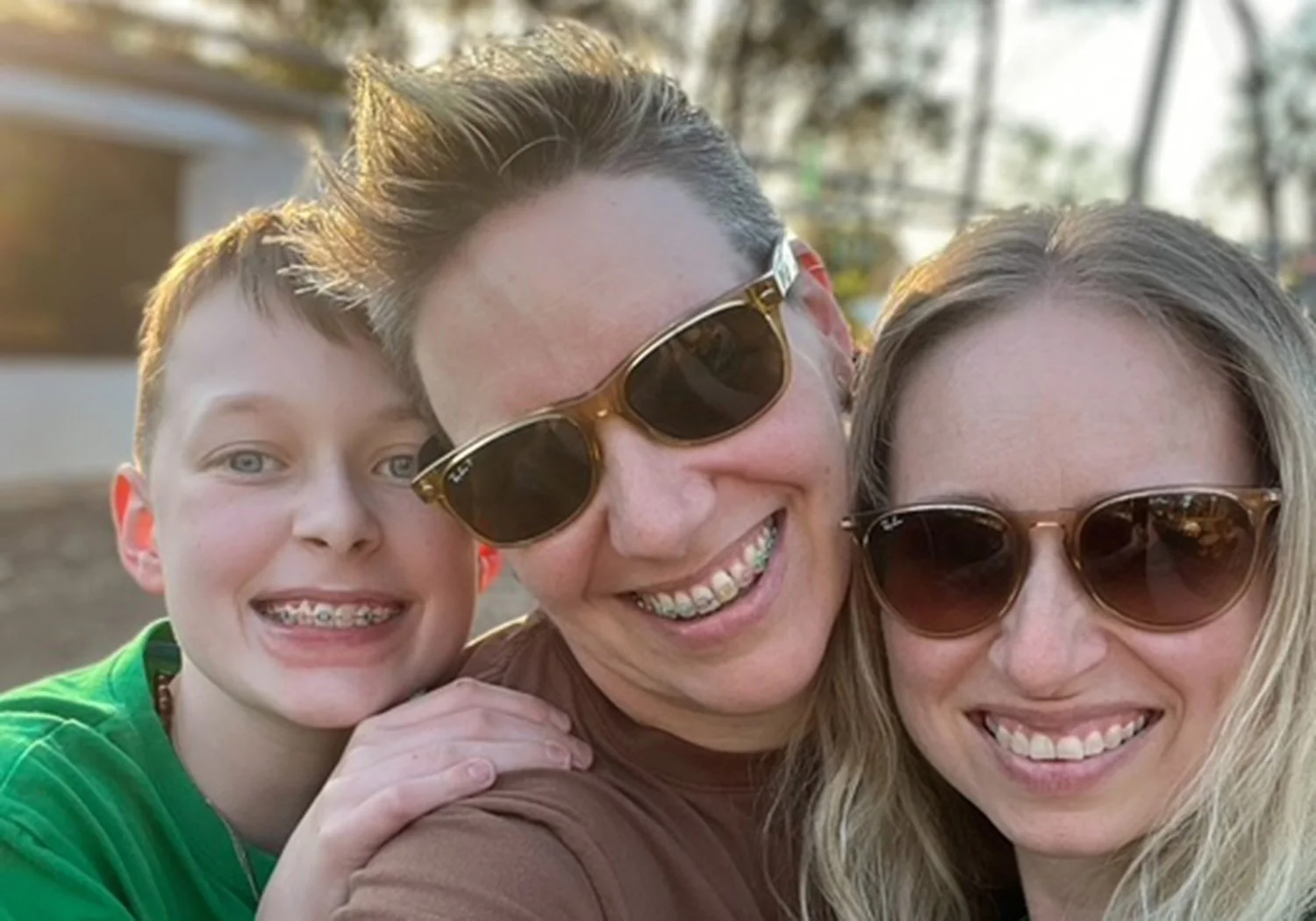
Brooke and her family
I first became aware of Brooke’s journey from our Senior Occupational Therapist, Renee who had recently attended a Symposium on Functional Neurological Disorder. One of the speakers was Brooke, a 44-year-old Director based in Brisbane. Renee listened to her speak and was struck by how she communicated her journey with honesty and depth.
Brooke’s Story is one of resilience…. from the sudden & frightening onset of symptoms, to diagnosis, the challenges of rehab, acceptance, advocacy and hope for the future. When I heard it I knew I needed reach out and see if she would be happy to share her experience with us.
”I am no longer accepting the things I cannot change. I am changing the things I cannot accept." – Angela Davis
This quote deeply resonates with Brooke - and for good reason, it reflects so much of her journey and the strength and resilience she has discovered along the way.
Her story is a powerful example of what it means to lean into adversity.
But before we dive in let’s understand what FND is…
What is Functional Neurological Disorder (FND)?
FND is a condition that affects the brain's software rather than its hardware. Your brain structure may be intact, but the neural pathways that allow it to communicate with your body misfire. That misfiring can affect speech, movement, balance, awareness, and cognitive function.
What makes FND especially confronting is how misunderstood it still is and that unbelievably, the average time to diagnosis is 8 years. 8 years of patients being passed from doctor to doctor, specialist to specialist!
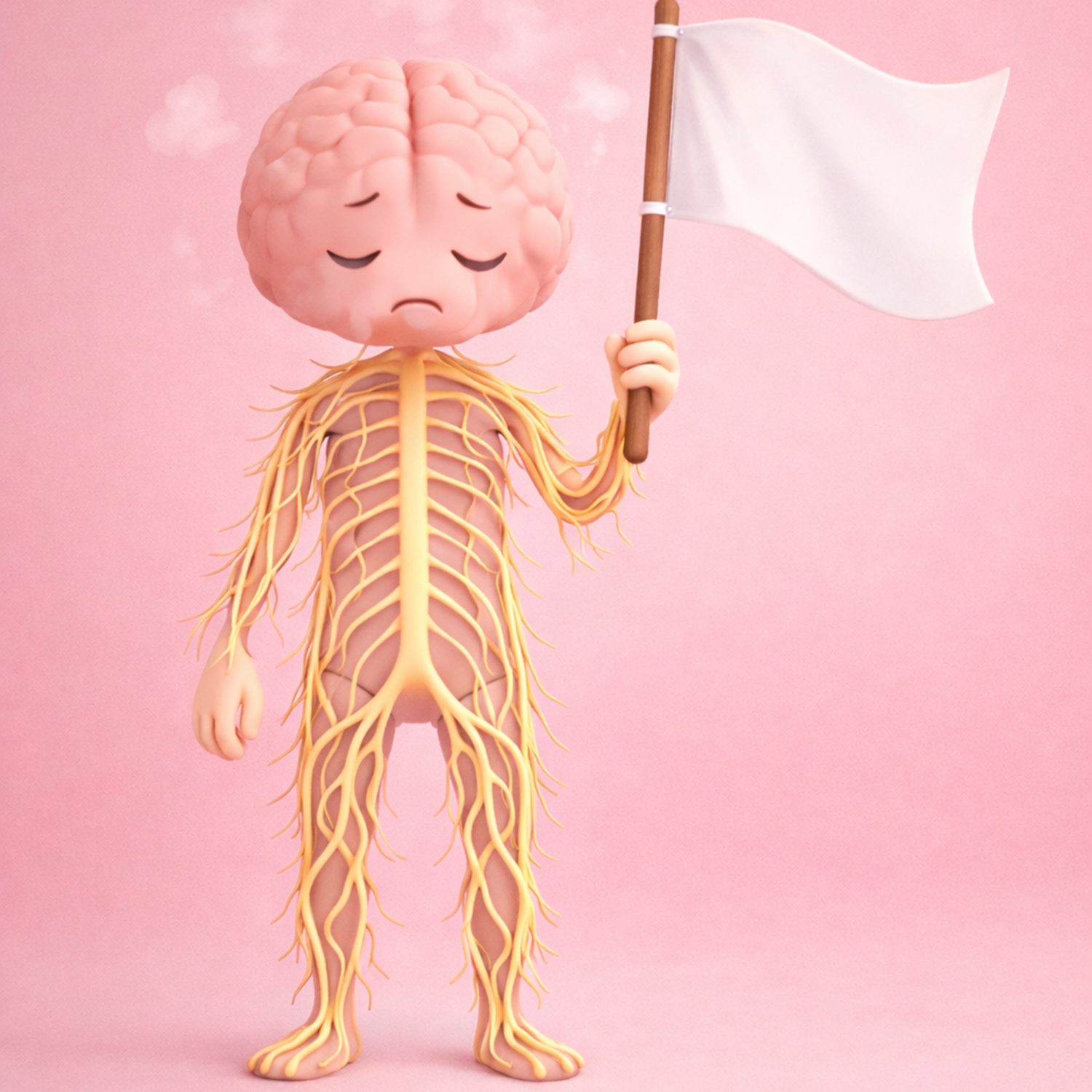
FND is the nervous system waving a white flag. It is often triggered by stress, trauma, and constant overload. It’s overwhelmed, and it starts shutting things down. For Brooke, that shutdown came suddenly and dramatically.
Brookes Story…
Brooke is a 44 year old Director based in Brisbane, with a professional life that zigzags through finance, not for profit, health, professional services, and consultancy. She thrives in complex, ever evolving environments and brings a values driven approach to everything she does.
Outside of work, life is full and vibrant. She's a proud mum to a talented teenage son whose passion for musical theatre has seen her step into the roles of roadie, cheer squad, and logistics manager. Brooke and her wife, together for nearly 20 years, homeschool their son and share their home with seven animals - part petting zoo, part chaos, and 100% heart. But in early 2025, everything changed.
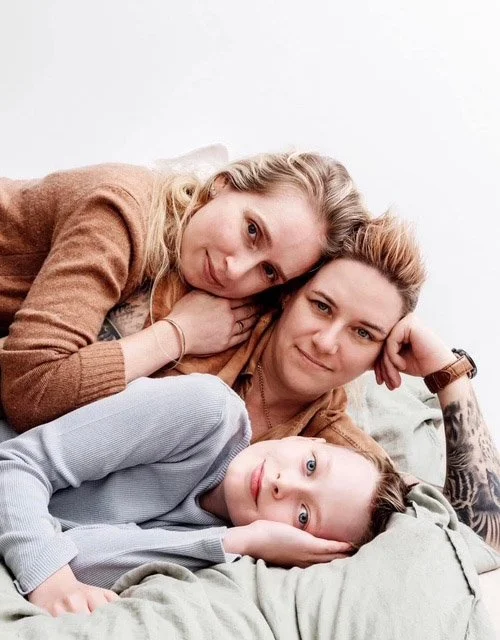
Brooke and her family
The Day Everything Shifted …
It was a normal January morning in 2025. Brooke was getting ready for work when she noticed something felt off. There was a strange sense of unsteadiness, a slight lag in her coordination. Still, she did what many of us do, she pushed through, brushed it off and logged into a video call.
What were the first signs that something wasn’t right?
”During the meeting, a colleague noticed I was slurring my words - something I hadn’t even realised. She gently suggested I lie down. I’ll forever be grateful for that call." What happened next was swift and dramatic. Within hours, my left side weakened. Within days, I lost my speech. By the end of that week, I could barely walk and began having seizures. Most confronting of all, I lost the ability to think and process like I used to.”
What were your first thoughts and emotions when you were diagnosed?
Very first thought…. This is made up, they don’t know what it is. Information and resources were not provided, so I needed to be proactive in understanding. Emotions were overwhelming. How do I manage? Will I need to change my life, what will the impact be. How will this affect my family? Can it hurt me? There were a number of tears, and a lot of confusion on how this escalated to severe so quickly with minimal notice or warning…
Initially, I renamed the acronym FND to something completely inappropriate. I’ll let you guess what the F stood for. The rest became 'No Deal.' That was my first way of taking back some control."
Brooke lives with ADHD - something she proudly describes as her superpower. Her mind has always worked in a fast-paced and high energy way that made sense to her, even if it seemed chaotic to others. But everything changed during her first seizure. Her way of thinking, processing and managing suddenly collapsed. Since then, she hasn’t been able to reboot that system.
Hospital, Dismissal, and Fighting for Rehab
Was there a particular moment that was your lowest point and what helped you through it?
“Being in hospital was very challenging, away from my family, not feeling understood. Once diagnosed it was clear the hospital wanted me home, but with no plan. Being or feeling dismissed was very difficult. We fought very hard to be enabled to have rehab and physio support from the beginning. We need to do so much better in this space as it’s foundational to the mindset and progress for FND.”
Re-defining life.
What does a "good day" look like now?
“A good day is calm, intentional activities rather than overwhelm or too much planned all the time. Being kind with understanding that this is unpredictable and being fluid with how it impacts me moment to moment. If I don’t have the energy, then we assess – is it necessary. Before – we would have just done it all.”
Living with FND means constant energy management. Think of it like starting your day with 80% phone battery. Every activity — walking, working, talking — drains it. And once it’s flat, that’s it. No charger can bring it back immediately”
Change and Resilience
Brooke is learning to navigate everyday life using new, unfamiliar strategies while her brain recovers and re-learns.
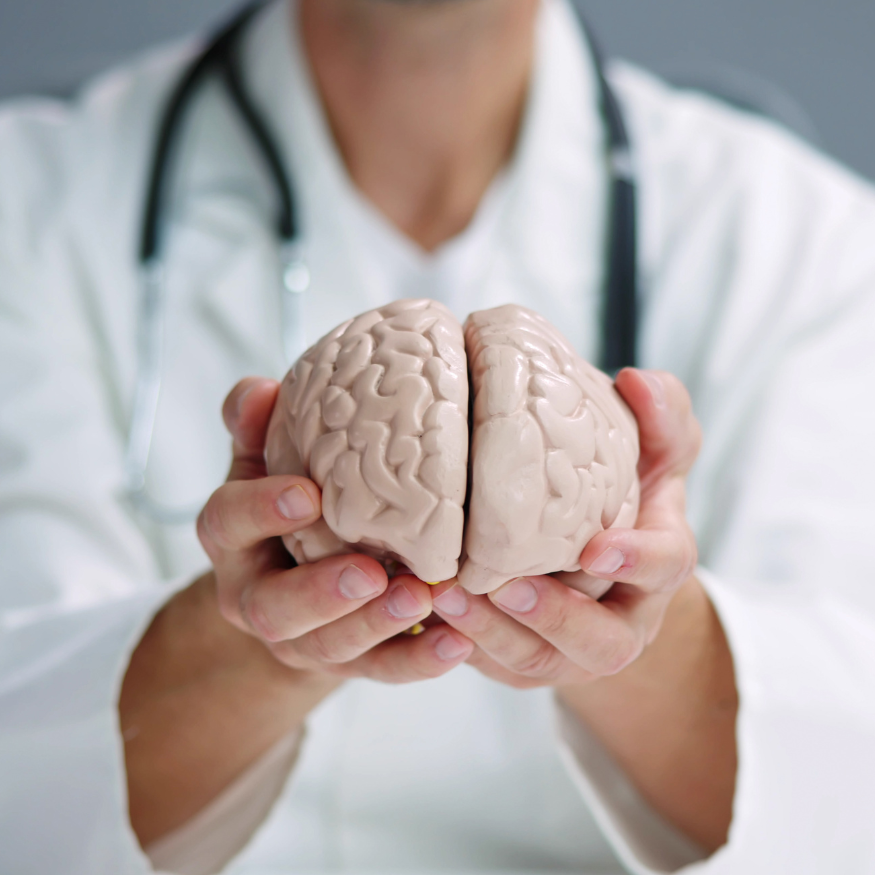
“It’s like being handed someone else’s brain and being told, ‘Good luck, hope you two get along.’”
Has your perspective on life or success changed since your diagnosis?
“On success yes. I’m a career and goal driven individual; this condition has really impacted my home life more so. Specifically, because I give 90% of my energy to work. I am still navigating this and it’s a work in progress. It’s changed my “go go go” nature, I have been forced to slow down. Life perspective has changed on being so in tune with my body at all time so I can pe-empt or prevent risk of elevated symptoms or seizures.”
What has been the most surprising thing you’ve learned about yourself through this journey?
"I’m stronger than I thought. My willpower is fierce. I’ve become an advocate for FND because we need voices... We need understanding."
Can you share a moment when your rehab team made a big difference in your progress?
“My most fundamental moment was being aligned to an FND specific physio – where I felt validated, and we worked through strategies that would enable me for sustainable recovery with a healthy dose of reality to note that setbacks are expected, not made to feel like I wasn’t understood or just getting lip service.”
Advice for Others With FND
For those unfamiliar with FND, it can be hard to wrap your head around what it actually feels like. For those that have FND it can be a difficult to communicate with family and friends not only what it is but what it’s like to live with it.
A simple way to picture it: imagine your brain is a computer that’s crashed from overload. When it restarts, you’re not sure which programs still work, what settings have changed, or which files might be corrupted. Recovery isn’t about a quick fix - it takes time, rehabilitation, and a good dose of humour.
Ongoing management of FND often requires a team based approach. Physiotherapists, FND specialist occupational therapists, psychologists, and neurologists all play a role in supporting recovery..
As Brooke is quick to point out, the real heroes are her family - “they are the support crew that shows up day in, day out. Every outing is a team effort. The walker must be in the car. Quiet spaces are a requirement to avoid sensory overload. Every task consumes precious energy, and I rely on whatever tools I can to conserve it.”
What advice would you give someone newly diagnosed with FND and feeling lost?
”Be determined, ignore the negative, take control of your own journey (be an active participant – don’t expect someone else to solve), get into rehab immediately and know that rehab (independently and where needed - supported) is every day for life. Make it the routine of recovery/maintenance. Change what FND means for you – Understand what does this mean for my life? How will I plan to get as confident as I can. It will always have ups and downs, expect them but don’t limit yourself because of them. Take on only your own symptoms. Others have different. This is personal to you, be kind but don’t absorb other journeys.”
What Medical Professionals and Families Need to Know.
What would you like medical professionals, employers, or family members to know so that they better understand FND?
"We need to help them understand. Provide them with checklists and common support requirements. Improve NDIS acceptability and rehab options. What we are dealing with is confronting, confusing and hard to manage, simplify the access to support- remove hurdles. Validate us, and their (Medical) research. Get exposure to have more people interested, better investment. At a baseline minimum make physio a necessity and with people who have an FND interest and advocacy”
Feel. Navigate. Do.
Brooke has redefined FND for herself:

Final Thoughts.
Since diagnosis, Brooke has been focused on navigating life with positivity, advocating for better awareness, early intervention, and long-term care using both her personal journey and professional perspective to help others on the same path.
Brooke's story is more than a diagnosis. It’s a roadmap of self awareness, advocacy, and adaptability. It’s about fighting for understanding and creating it where it doesn’t exist. Brooke believes that by bringing awareness to its complexity and variability, we can build a future of better support, clearer understanding, and stronger recovery pathways for those living with it.
FND may be under recognised, but with voices like Brooke’s working hard to be seen, heard, and understood, it won’t stay that way for long.
Want to learn more about Functional Neurological Disorder or find support in Brisbane? We specialise in trauma informed FND Occupational Therapy built around you.
Ready to take the next step?
Contact us to find out how we can support your FND recovery
Useful Links…

A monthly in person FND Peer support group in Brisbane.