Can you recover after Spinal Cord Injury?
"Will I walk again?"
It's one of the first questions people ask after a spinal cord injury.
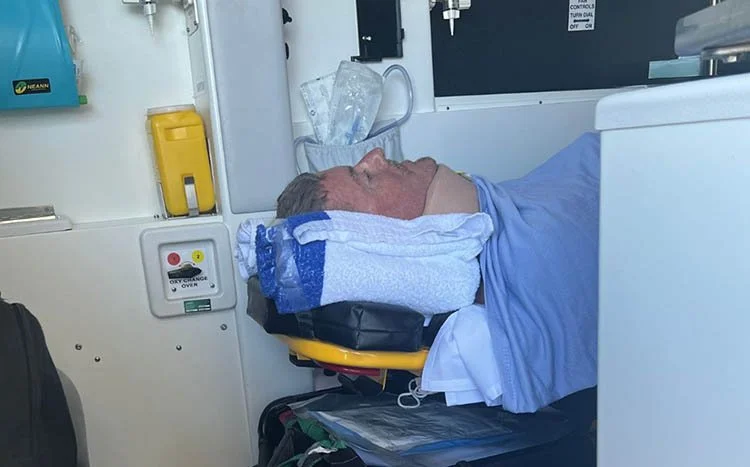
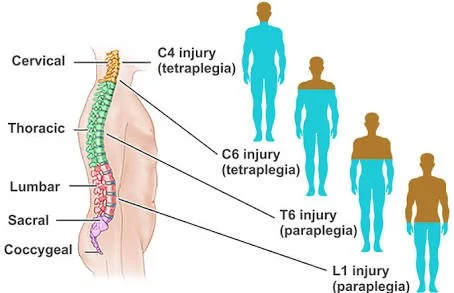
When my partner Mark sustained a C4 incomplete spinal cord injury in 2023 while body surfing it was one of the first questions we quietly asked ourselves too.
But if I'm honest, it wasn't our only question.
Would he use his hands again?
Would he regain bladder and bowel function?
What would intimacy look like?
Would he be able to drive?
Would he ever work again?
Would we still ski, hike, play tennis or even travel again?
Would we ever walk down the street holding hands?
Would life ever feel normal?
In those early days, we didn't understand spinal cord injury. We were overwhelmed, frightened and desperately searching for answers.
Understanding Recovery
A spinal cord injury does not always mean the spinal cord has been completely severed.
Many injuries are incomplete, meaning some nerve pathways remain intact. In these cases, people may regain movement, strength or sensation over time. Others may recover bladder or bowel function, improve their balance or become more independent with everyday activities.
Recovery Isn't Measured in Big Milestones
In the beginning, I imagined we'd regularly celebrate milestones. I had my phone ready to capture every moment, convinced we'd watch recovery unfold in front of our eyes.
Reality looked very different.
Most days felt like one step forward and two steps back. We felt the pressure of time passing and the fear that the window for recovery was closing.
Eventually our expectations changed.
We stopped looking for the big moments and started noticing the little ones.
I remember Mark spending two weeks practising nothing more than standing up while holding onto a bar. It was heartbreaking to watch. Every day looked exactly the same.
It felt like nothing was changing.
Then one day I noticed he stood a little taller, was a little steadier and needed a little less help.
He was more confident.
Those tiny changes had been happening all along, we just couldn't see them day to day.
Recovery was built on hundreds of tiny moments that quietly added up over time.
We Didn't Know What We Didn't Know
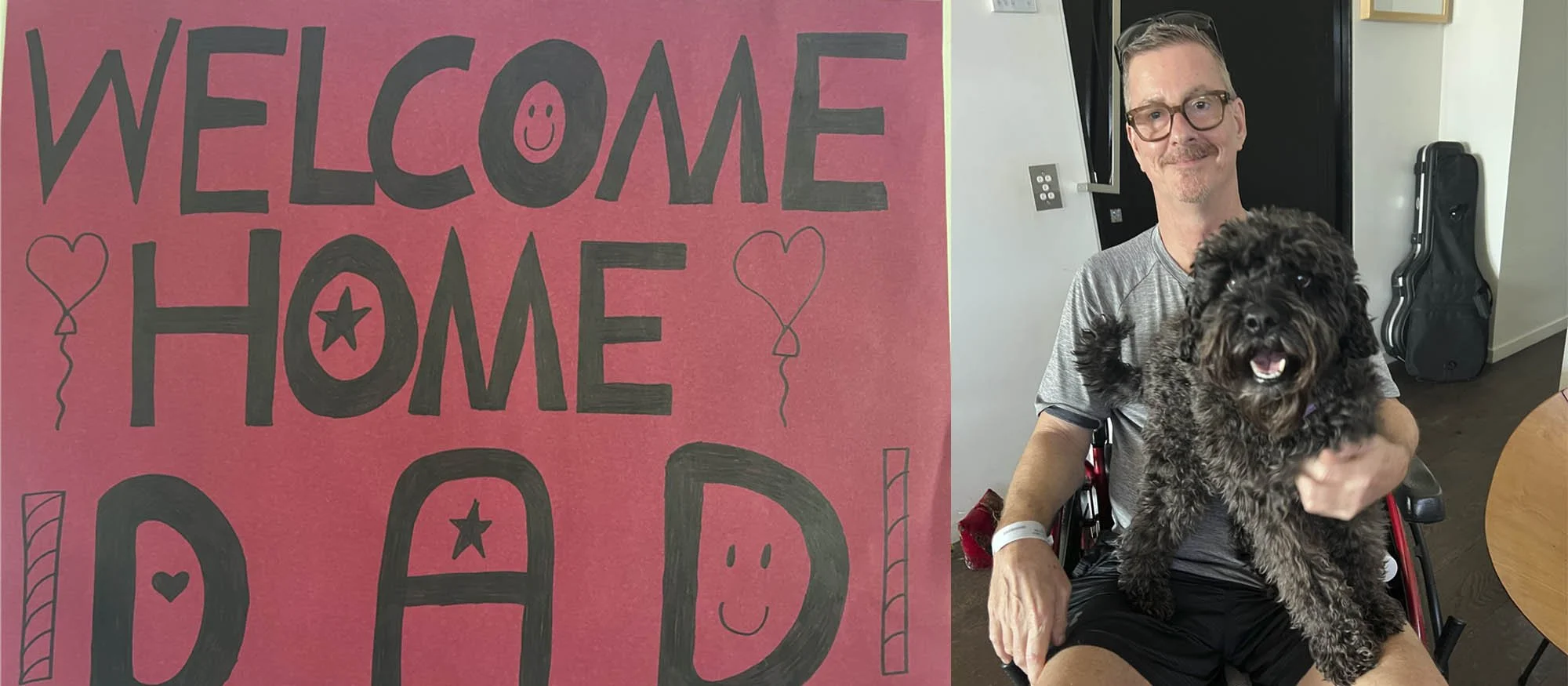
Leaving hospital was both exciting and terrifying.
We left with a wheelchair I had hired and a head full of questions. We didn't know about pressure injuries. We didn't understand autonomic dysreflexia (a dangerous, sudden, and extreme increase in blood pressure). We had no idea that Mark couldn't regulate his body temperature or that something as simple as sitting near a fire on a cold winters night could leave him with permanent scars.
Like most families, we thought rehabilitation was about learning to walk again.
We quickly discovered it was really about adjusting to a completely different life and learning how to live again.
Recovery wasn't just Mark's journey. It became mine too.
As partners, family members and carers, we grieve, adapt, celebrate and rebuild alongside the person we love.
Recovery changes all of us.
Every Recovery Journey Is Different
At the time, Mark's improvements felt almost insignificant.
Looking back now, they were the foundations everything else was built on.
We had to learn was to stop comparing his recovery to everyone else's. Every spinal cord injury is different and every nervous system heals differently.
The only comparison that really mattered was whether he was a little stronger, a little steadier or a little more confident than he was a few weeks earlier.
Recovery has its own timeline.
Sometimes improvements happen quickly.
Sometimes they take months.
Sometimes they continue years after injury.
Consistency Matters More Than Intensity
One thing I’ve learnt from Mark’s commitment to rehabilitation is that recovery isn't about having one incredible therapy session.
It's about showing up.
Again. And again. And again. As one practicioner said to him “Mark your job is now physical therapy, physical therapy, physical therapy”
The biggest improvements often come from repeating the same movement hundreds, sometimes thousands, of times.
Every repetition was teaching his nervous system something.
Every attempt was strengthening the communication between his brain, spinal cord and muscles.
It wasn't exciting to watch but week after week those repetitions slowly became smoother, steadier and more controlled.
Rehabilitation Is About More Than Exercise
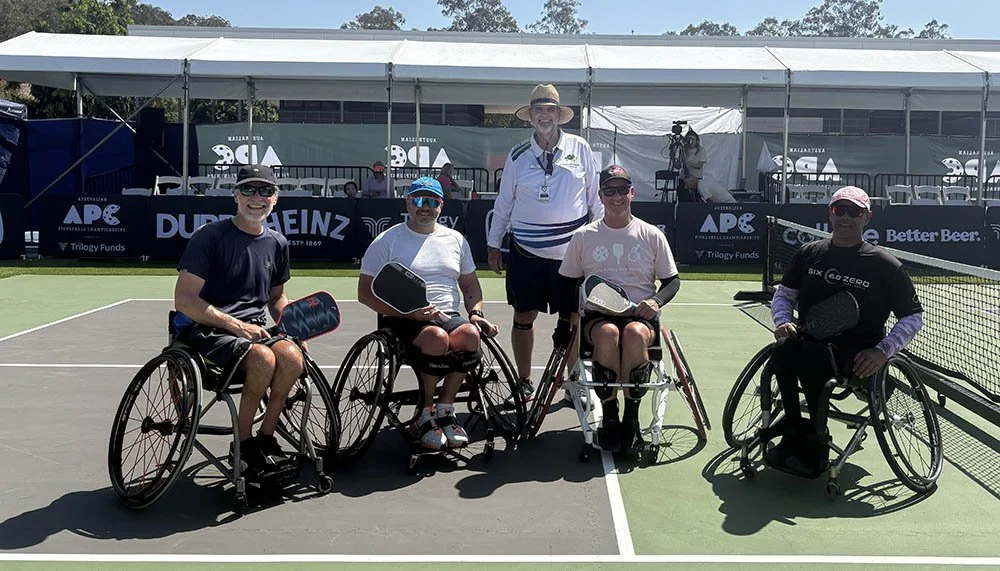
When Mark was first injured, we thought rehabilitation would be about learning to stand, strengthening muscles and, hopefully, walking again.
Those things were important, but we quickly realised they weren't enough.
Rehabilitation gave him strength and taught him how to move, but it was also important to do something that reminded him why he wanted to recover.
He needed a reason to keep showing up.
That started with wheelchair pickleball. For the first time since his injury, he wasn't thinking about what he'd lost, he was discovering what was possible. Today, that journey has continued through para table tennis and wheelchair curling, eventually leading him to represent Australia.
We started to think that perhaps rehabilitation is les about focusing on what you’ve lost and more about rebuilding a life.
The Two-Year Mark: Why It Can Feel So Significant
If you've been living with a spinal cord injury for a while, you've probably heard someone mention "the two-year mark."
It's often said that most neurological recovery occurs within the first two years following injury.
What often isn't talked about is the emotional impact of reaching this milestone.
For some people (including us) the two-year anniversary can feel like a deadline. It can bring grief, anxiety or the fear that if they haven't reached a particular goal.
As we approached what we felt was Mark’s deadline, we felt the weight of everything we'd been told.
"This is probably as good as it's going to get."
But this is our reality -
Mark is still improving. The gains are slower now and they're often much smaller, but they're still happening.
Recovery didn't stop at two years - It simply changed pace.
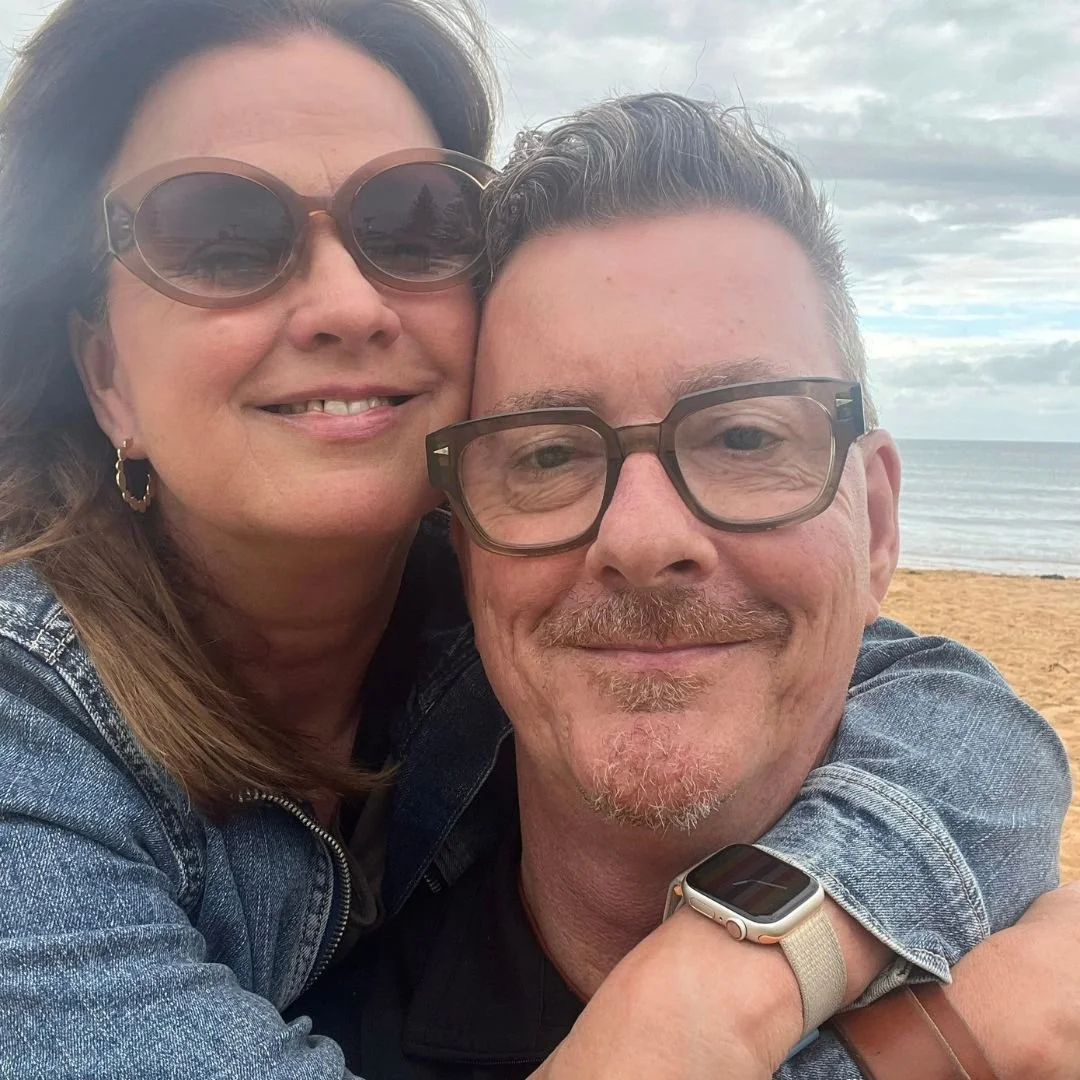
How Occupational Therapy helped us rebuild our life.
Looking back, Occupational Therapy was about so much more than teaching Mark how to do everyday tasks.
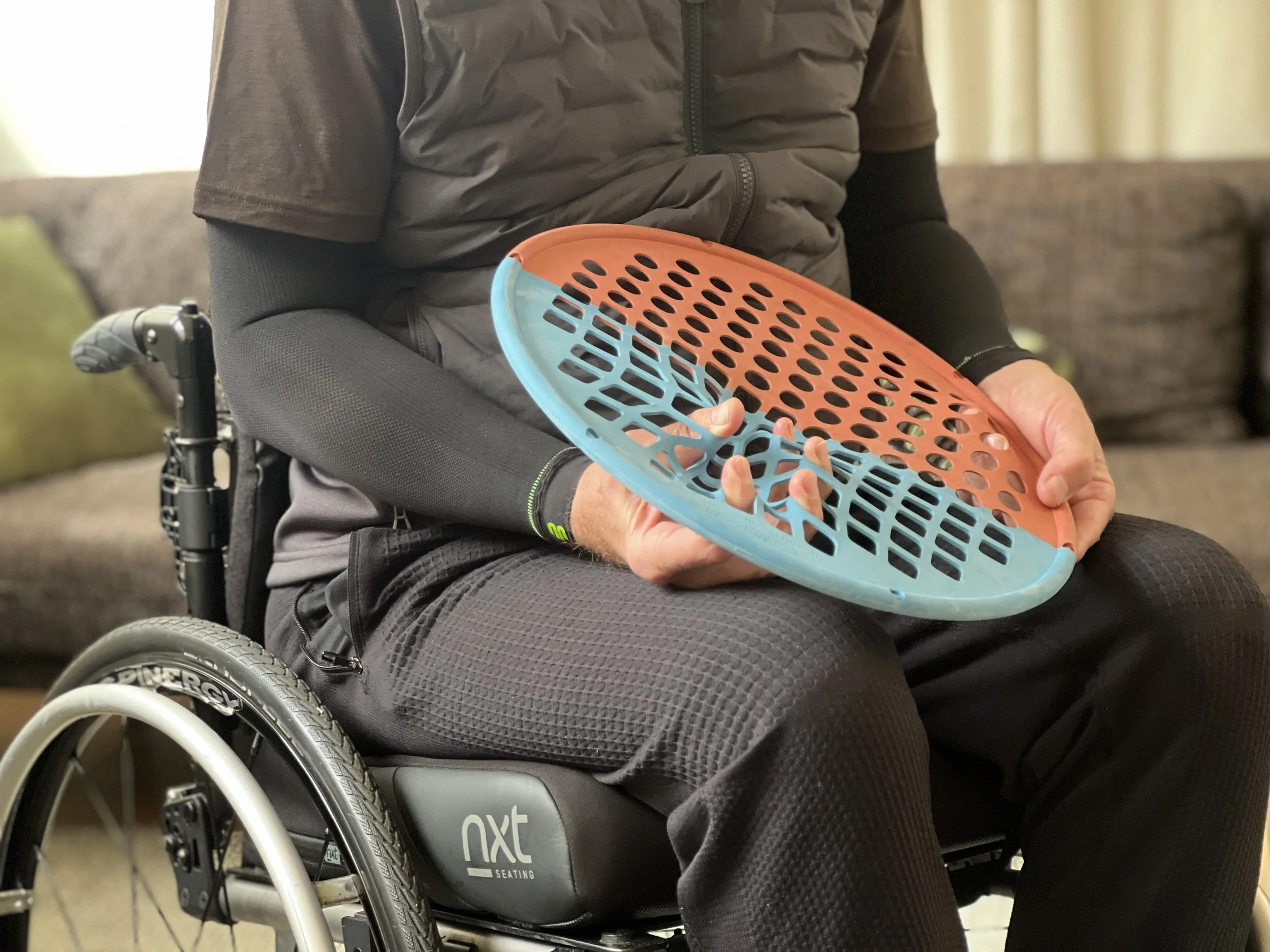
It gave him confidence at a time when he'd lost so much of it. It helped improve his hand function through targeted rehabilitation and gave him practical strategies to better understand and regulate his nervous system as he adjusted to life with a spinal cord injury.
Our Occupational Therapist also completed a Functional Capacity Assessment, which helped Mark access the NDIS. That changed everything.
It meant we could access equipment that made everyday life safer and easier, modify our home so he could move around more independently, and eventually return to driving—something that gave him back a huge sense of freedom and independence.
Looking back now, it wasn't one piece of equipment or one therapy session that made the difference.
It was having someone who could see the bigger picture. Someone who understood that recovery wasn't just about physical function, it was about helping Mark rebuild a life that felt meaningful, independent and full of possibility.
Rather than focusing only on what has been lost, occupational therapists help people discover what is still possible. From our experience this is gold, and it’s what gives you hope for the future.
Hope Matters
If someone had told us during those first few weeks in hospital that one day we'd be travelling to Finland so Mark could represent Australia in wheelchair curling, we would never have believed them.
At the time, we were just hoping he'd make it home safely.
Life doesn't magically return to what it was before.
But something remarkable happens.
Slowly, almost without noticing, you begin building a new life.
One that still contains adventure.
Purpose.
Friendships.
Travel.
Sport.
Laughter.
Recovery is less about getting your old life back and more about discovering a life you never imagined was possible.
How One 3 Care Can Help
One 3 Care was born because of our own experience with spinal cord injury.
We know what it's like to leave hospital feeling overwhelmed. We know what it's like to search for answers, navigate equipment, navigate rehab and wonder whether life will ever feel normal again.
That's why we've built a neurological occupational therapy service that combines evidence-based rehabilitation with lived experience.
Recovery is about so much more than physical function.It's about helping people rebuild a life they love.
It's the service we wish we'd had when we were navigating th ose early days.
Frequently Asked Questions
Can you recover from a spinal cord injury?
Many people experience meaningful recovery after a spinal cord injury. The extent of recovery depends on the type and severity of the injury, access to rehabilitation and individual circumstances.
How long does spinal cord injury recovery take?
Recovery often continues for months and, in some cases, years. Functional improvements can occur well beyond the first year, particularly with ongoing rehabilitation.
Can occupational therapy help after a spinal cord injury?
Yes. Occupational therapists help people regain independence, improve hand function, return to work, manage fatigue and pain, prescribe equipment, recommend home modifications and participate in meaningful daily activities.
Recovery Isn't Just About Your Body
After a spinal cord injury, it's completely normal to grieve the life you thought you were going to have. There is loss, uncertainty and fear. You may feel angry, overwhelmed or wonder if life will ever feel good again.
Those feelings are not only valid - at times they are overwheling.
But over time, something else can begin to happen.
Not because the injury disappears, but because your life slowly starts to grow around it.
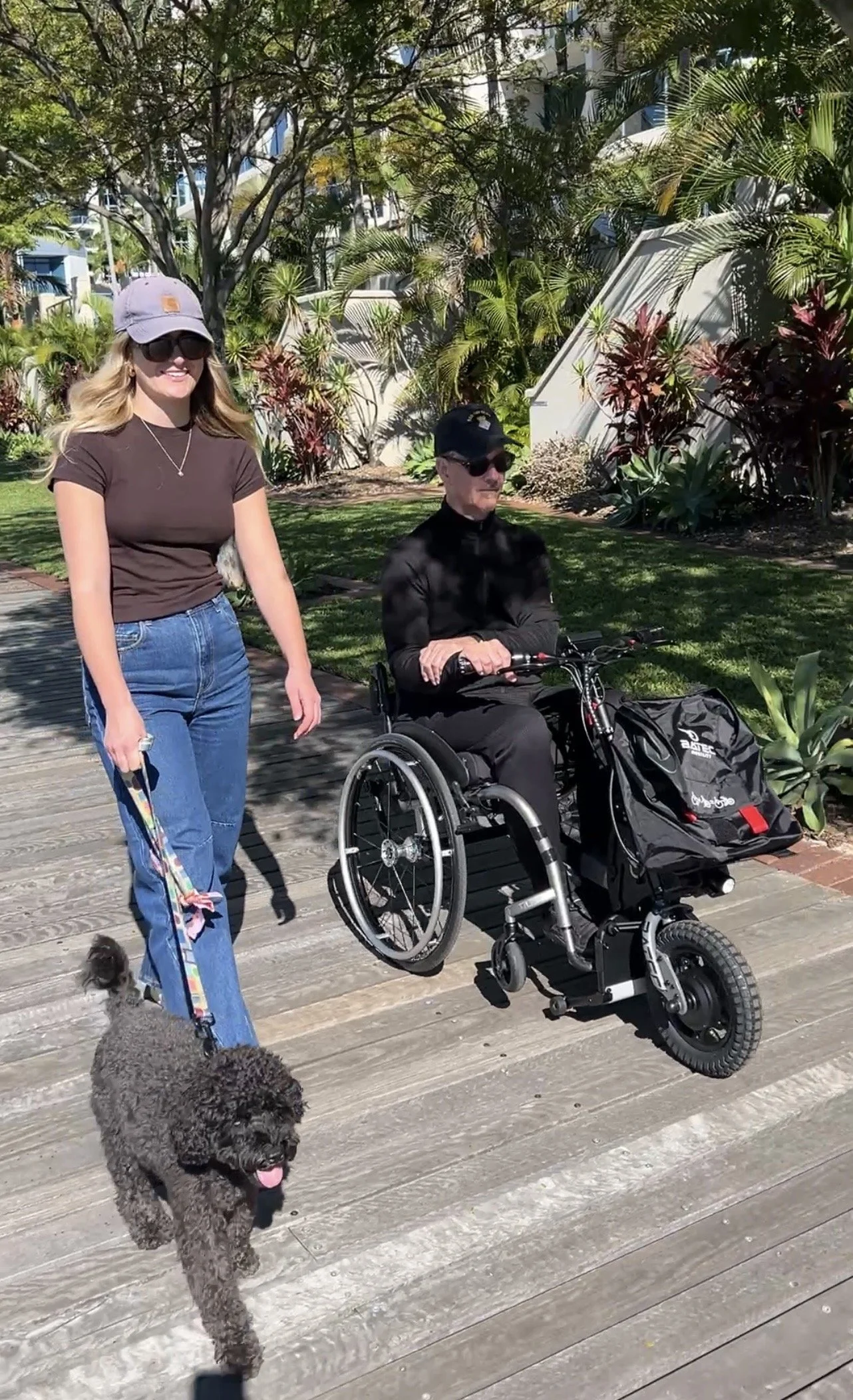
Acceptance Isn't Giving Up
Acceptance is often misunderstood.
It doesn't mean you've stopped hoping, stopped trying or settled for less.
It means acknowledging the reality of today while remaining open to what tomorrow might bring.
You can continue to work towards recovery while also choosing not to let your injury define every part of your life.
Acceptance creates space for something incredibly important: moving forward.
Life Is Different. It Isn't Over.
Right now, you may not believe this.
You may feel like the life you imagined has disappeared forever.
We understand that feeling because we've been there too.
But if there's one thing spinal cord injury has taught us, it's this:
Never underestimate what life can look like a few years from now.
If someone had shown us a photo of Mark representing Australia in wheelchair curling, travelling overseas, laughing with teammates and planning his next adventure, we would never have believed it.
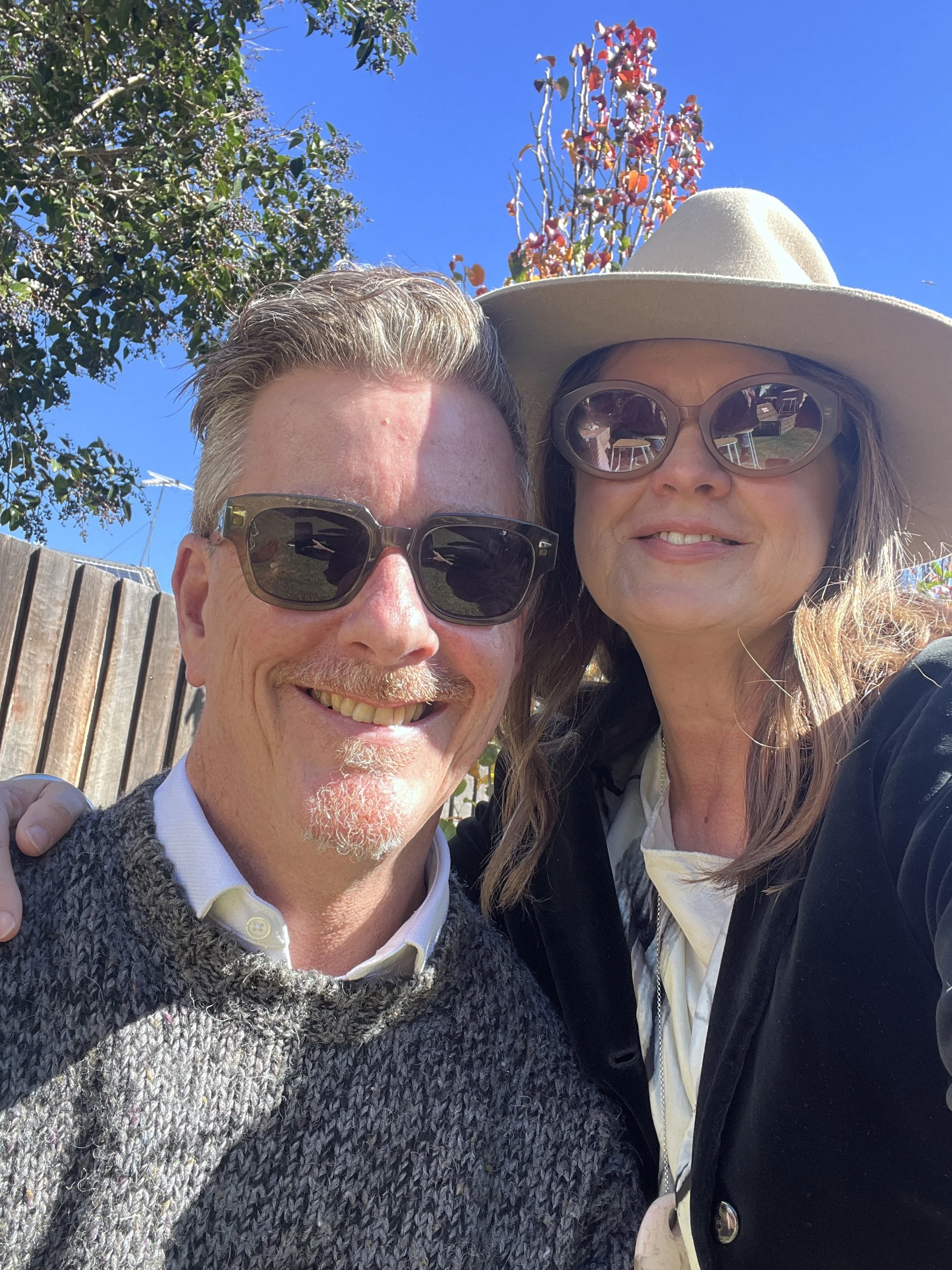
Yet here we are….. and we didn't get here because one day everything suddenly got better. We got here because of thousands of small decisions. One tiny improvement at a time.
Life isn't the same.
Some dreams changed.
Others appeared that we'd never imagined.
There is still laughter.
There are still adventures.
There are still friendships.
There are still milestones worth celebrating.
There is still purpose.
There is still joy.
Life isn't over.
It simply looks different.