What Causes Functional Neurological Disorder (FND)?

If you've been diagnosed with Functional Neurological Disorder (FND), one of the first questions you're probably asking is:
"Why did this happen to me?"
It's a completely understandable question.
The truth is, there isn't one simple answer.
Unlike a stroke, where we can point to a blocked blood vessel, or multiple sclerosis where we can see damage on an MRI, FND doesn't have one identifiable cause. Instead, we now understand that it develops because of a combination of factors that affect how the nervous system functions.
Think of it less like a single event and more like a perfect storm.
FND isn't caused by brain damage
This is one of the biggest misconceptions about FND.
Brain scans are usually normal because the structure of the brain hasn't been damaged.
Instead, the problem lies in how different parts of the brain and nervous system communicate with each other.
It's a disorder of nervous system functioning, not structure.
That's an important distinction because it also explains why recovery is possible.
The nervous system is capable of learning new patterns, a process known as neuroplasticity.
There usually isn't just one cause

Most people with FND don't wake up one morning with symptoms for no reason.
Instead, researchers describe FND as developing through a combination of predisposing, precipitating and perpetuating factors.
Different life experiences, health conditions and triggers come together to create the perfect storm.
Predisposing factors
These are things that may make someone's nervous system more vulnerable to developing FND.
They don't cause FND on their own, but they may increase susceptibility.
Examples include:
Living with chronic pain or fatigue
Migraine
Previous concussion or neurological illness
Chronic stress
A history of anxiety or depression
Neurodevelopmental differences such as ADHD or autism in some people
Previous trauma or adverse life experiences
It's important to remember that many people have these experiences and never develop FND.
They're pieces of the puzzle—not the whole picture.
Precipitating factors
These are events that can trigger the onset of symptoms.
For some people it's obvious.
For others, symptoms appear gradually.
Triggers may include:
An injury or accident
Surgery
An illness or viral infection
Significant emotional stress
A panic attack
Persistent pain
Pregnancy or childbirth
A period of prolonged physical or mental overload
Sometimes there isn't a clear trigger at all.
Perpetuating factors
Once symptoms begin, the nervous system can become "stuck" in patterns that continue to drive symptoms.
This doesn't mean the symptoms are imagined.
It simply means the brain has learnt an unhelpful pattern that continues to repeat.
Factors that can keep symptoms going include:
Poor sleep
Fatigue
Stress
Sensory overload
Fear of symptoms
Avoiding activities because they're frightening
The boom-and-bust cycle
Not understanding what FND is
The encouraging news is that many of these factors can be addressed through rehabilitation.
It's not "just stress"
One of the most damaging myths about FND is that it's simply caused by stress.
Stress can play a role for some people, but it's rarely the whole story.
In fact, many people diagnosed with FND don't identify a major psychological trigger at all.
Others develop symptoms after an infection, concussion, surgery or physical injury.
Current research recognises that FND is a complex interaction between biological, psychological and social factors—not a condition with a single cause.
Understanding your nervous system matters
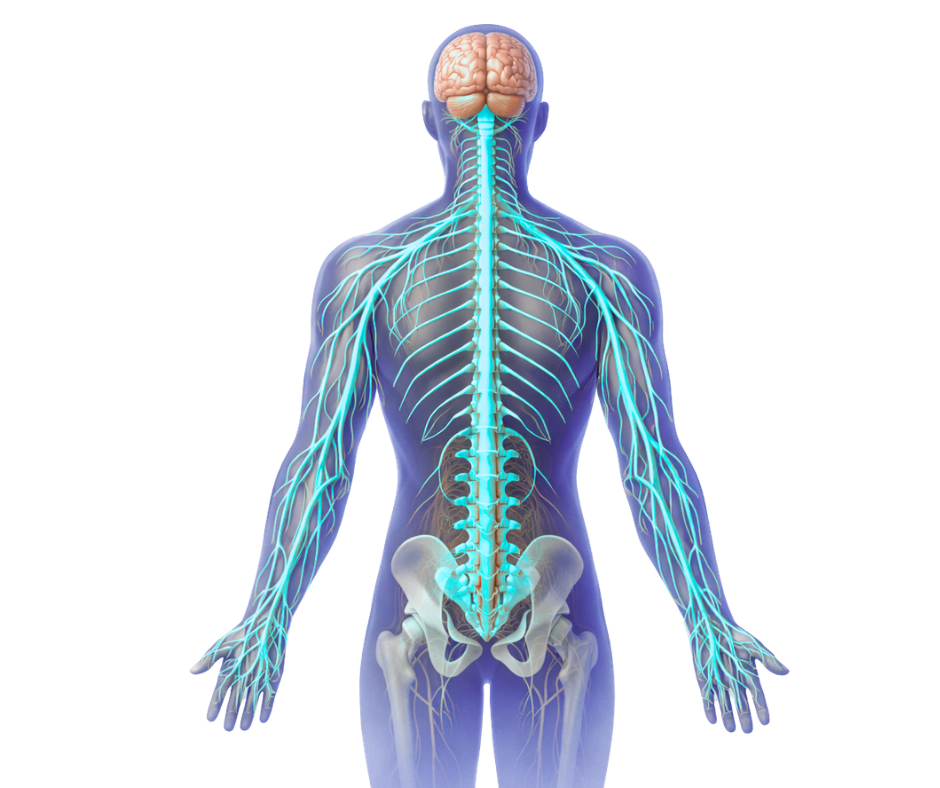
One of the first steps in recovery is understanding what's happening inside your nervous system.
When people understand why symptoms occur, they're often less frightening.
That understanding can reduce fear, build confidence and create the foundation for rehabilitation.
Education isn't just information.
It's treatment.
What does this mean for recovery?
The cause of your FND may be unique to you, but the goal of rehabilitation is often the same:
To help your nervous system feel safer.
To reduce the factors that are keeping symptoms going.
To gradually retrain movement, thinking and everyday activities through consistent, meaningful practice.
Recovery isn't about "trying harder."
It's about helping your nervous system learn a different way of responding.
Recovery Is a Team Effort

Because FND affects movement, thinking, fatigue, emotions and everyday life, there is rarely one treatment or one health professional who has all the answers.
Research consistently shows that the best outcomes are achieved through a multidisciplinary approach, where healthcare professionals work together to address the different factors contributing to a person's symptoms. Depending on your needs, this may include an occupational therapist, physiotherapist, psychologist, speech pathologist, exercise physiologist and your GP or neurologist.
At One 3 Care, we believe recovery works best when everyone is working towards the same goals. By combining education, practical strategies and coordinated care, we can help you build confidence, improve function and return to the activities that matter most.
How our 14-Week FND Recovery Program can help
At One 3 Care, we've developed a structured 14-week Occupational Therapy program designed specifically for people living with FND.
Together, we explore the factors that may be contributing to your symptoms, build an understanding of how your nervous system works and develop practical strategies to support recovery.
The program covers education, pacing, nervous system regulation, threat versus safety, cognitive demands, sensory processing and a graded return to meaningful activities. You'll also have the opportunity to connect with others through our peer support group, because recovery is easier when you don't feel alone.
There is no one-size-fits-all approach to FND—but with the right knowledge, support and rehabilitation, meaningful recovery is possible.
Key takeaways
FND is a disorder of nervous system functioning, not brain damage.
There is rarely one single cause.
FND usually develops through a combination of predisposing, precipitating and perpetuating factors.
Understanding your nervous system is one of the first steps in recovery.
With the right support, many people experience significant improvement.
Whether you're newly diagnosed, have been living with FND for years, or are looking for a more coordinated rehabilitation approach, we're here to help. We offer appointments in our Brisbane clinic, via tele health across Australia, and through our structured 14-week FND Recovery Program.
If you'd like to find out whether our approach is right for you, we'd love to hear from you.