Can FND be cured?

If you've recently been diagnosed with Functional Neurological Disorder (FND), chances are you've typed those exact words into Google.
Can FND be cured?
The short answer is this:
Many people with FND improve significantly. Some recover completely. But there isn't a single treatment or medication that "cures" FND for everyone.
That might not be the answer you were hoping for, but it should also give you hope.
Because unlike many neurological conditions, FND is potentially reversible.
Your Nervous System Isn't Broken
One of the biggest misconceptions about FND is that something has been permanently damaged.
In most cases, it hasn't.
FND is now understood to be a disorder of how the nervous system functions, not a disease that destroys the brain or spinal cord.
A simple way to think about it is this:
Your brain and nervous system know how to move, think, feel and respond, but somewhere along the way those normal patterns have become disrupted.
The symptoms are absolutely real.
The weakness is real.
The tremor is real.
The seizures are real.
The exhaustion is real.
But because the nervous system is functioning differently rather than being structurally damaged, it also has the ability to learn new patterns.
That's why rehabilitation matters.
Recovery Looks Different for Everyone

One of the hardest things about FND is that there isn't a neat timeline.
Some people recover within months.
Others improve gradually over several years.
Some continue to experience symptoms but find they can return to work, raise their children, travel, exercise and enjoy life again.
Recovery isn't simply about symptoms disappearing.
Sometimes it's about getting your life back.
That might mean:
Walking around the block again.
Driving for the first time in months.
Going back to work.
Having enough energy to spend time with your children.
Feeling confident enough to catch up with friends.
Going a whole week without a functional seizure.
Those are all meaningful signs that your nervous system is changing.
There Isn't One Cause and There Isn't One Cure
People often ask what caused their FND.
Sometimes there's a clear trigger.
Sometimes there isn't.
It might have followed:
an illness
surgery
an injury
persistent pain
another neurological condition
emotional stress or trauma
a combination of several factors
For many people, there is no obvious explanation at all.
That's why looking for one magic treatment usually isn't helpful.
Instead, we focus on understanding what keeps your nervous system stuck and what helps it feel safe enough to function differently.
So, What Actually Helps?
The research is becoming clearer.
People tend to do better when they receive:
a timely diagnosis
a clear explanation of FND
clinicians who understand the condition
rehabilitation that focuses on improving function
validation rather than disbelief
support to return to meaningful activities
There isn't one profession that "treats" FND.
Recovery often involves a team.
For some people that includes occupational therapy, physiotherapy and psychology.
For others, it may involve pain specialists, neurologists or exercise professionals.
The right combination depends on the individual.
You don’t have to do it alone.
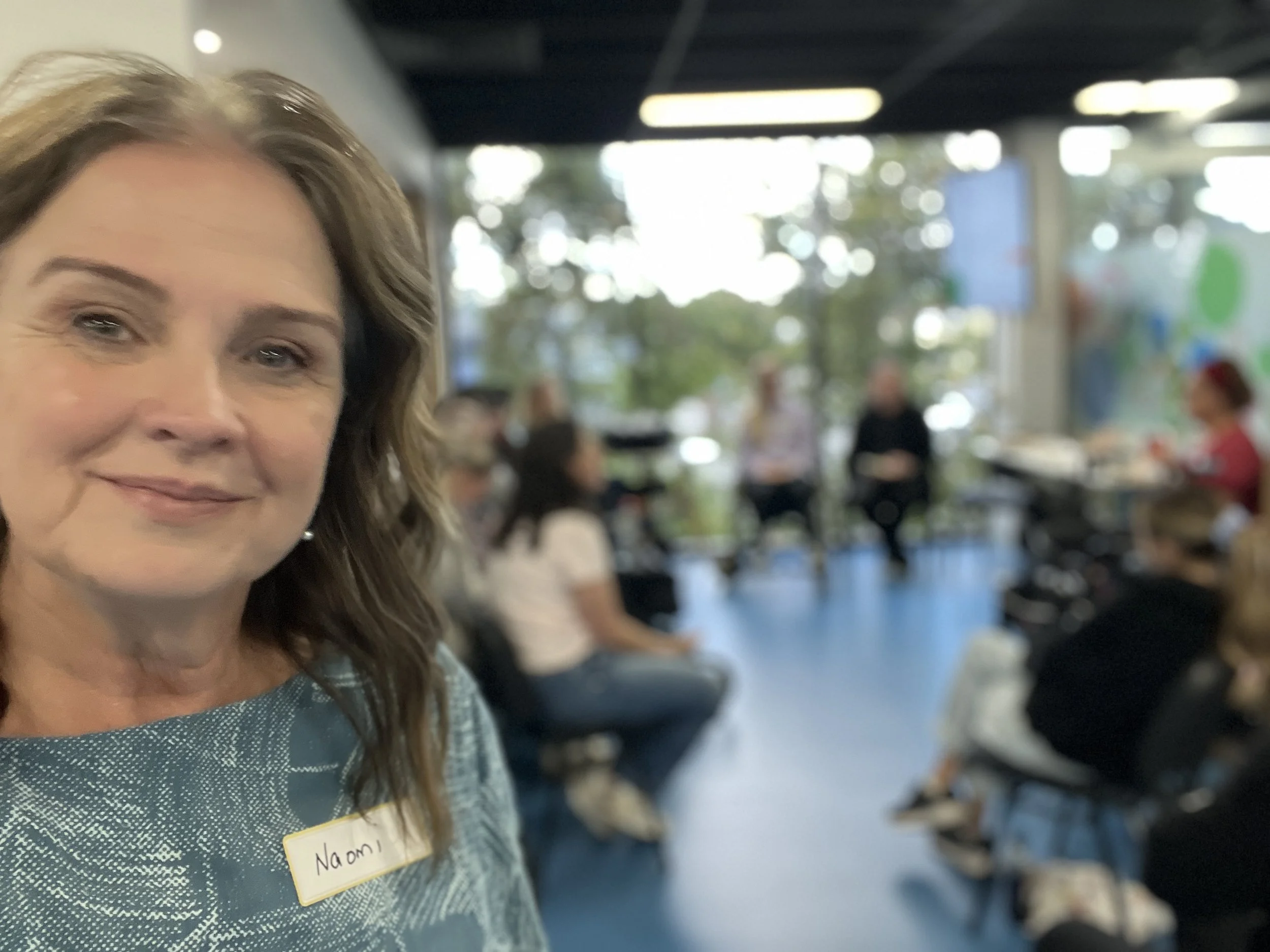
One of the hardest parts of living with FND is feeling like no one really understands what you're going through.
Many people tell us they've spent years trying to explain their symptoms to family, friends, employers and even health professionals. That can feel incredibly isolating.
That's why we've created our FND Peer Support Group.
It's a place to connect with others who genuinely understand the challenges of living with FND, share experiences, celebrate the wins, big and small and be reminded that you're not walking this journey alone.
Why Occupational Therapy Matters
At One 3 Care, we're occupational therapists.
That means we're less interested in what happens during a one hour appointment and more interested in what happens during the other 167 hours of your week.
Can you shower safely?
Can you prepare a meal?
Can you get your children to school?
Can you return to work?
Can you enjoy a coffee with a friend without paying for it for the next three days?
Can you start trusting your body again?
That's where occupational therapy comes in.
We work with people to understand what matters most to them and then break recovery into achievable, meaningful steps.
Sometimes progress is surprisingly quick.
Sometimes it's frustratingly slow.
Both are normal.
Recovery Isn't a Straight Line

As a ceramic artist and also the wife of a Spinal Cord Injury survivor - I sometimes think of recovery like the Japanese art of Kintsugi (repairing pottery with gold).
It doesn't hide the journey, it honours it.
Living with FND can change the way you experience the world, but it doesn't define your future
One thing we always tell people is this:
Recovery from FND is rarely linear.
You'll have good days.
You'll have difficult days.
Sometimes you'll feel like you're making great progress, only to experience a setback after an illness, poor sleep or a stressful week.
That doesn't mean you've failed.
It doesn't mean you're back at the beginning.
It simply means your nervous system is responding to what's happening around it.
Learning to understand those patterns is often part of recovery itself.
So... Can FND Be Cured?
The better question might be:
Can people recover from FND?
The answer is yes.
Many people experience significant improvements.
Some recover completely.
Others continue to have symptoms but regain independence, confidence and the ability to participate in the things they love.
That's why we focus less on the word cure and more on the word recovery.
Recovery isn't about becoming the person you were before FND.
It's about helping your nervous system find a better way forward and helping you get back to living a life that feels meaningful.
At One 3 Care, that's what we work towards every day.
Our 14-Week FND Recovery Program

Together, we'll help you understand how your nervous system works, identify what keeps your symptoms going, and build practical strategies to help you move forward.
At One 3 Care, we've developed a 14-week Occupational Therapy program specifically for people living with FND. Together, we'll help you understand how your nervous system works, identify what keeps your symptoms going, and build practical strategies to help you move forward. The program combines education, nervous system regulation, graded return to meaningful activities, pacing and fatigue management, with the support of others who truly understand what you're going through. Our goal isn't simply to reduce symptoms, it's to help you rebuild confidence, independence and a life that feels meaningful again.
You don't have to navigate FND alone. Get in touch to find out how our 14-week program can support your recovery