Managing Functional Neurological Disorder in General Practice

Functional Neurological Disorder (FND) is one of the most common conditions seen in neurology clinics, yet it remains one of the most misunderstood.
The Australian Institute of Health and Welfare estimates that around 21,500 Australians are living with FND. Yet for many people living with FND, the journey to diagnosis is long, confusing and often deeply invalidating. It is not uncommon for patients to spend years searching for answers, undergoing countless investigations and being told that their symptoms are "just stress" or "all in their head."
Today, our understanding of FND has changed significantly. Advances in neuroscience have demonstrated that FND is a genuine disorder of nervous system functioning. As a result, early diagnosis, clear communication and timely rehabilitation are increasingly recognised as key factors influencing recovery.
For General Practitioners, understanding FND and knowing when to refer for rehabilitation can make a profound difference to a patient's experience and long-term outcomes.
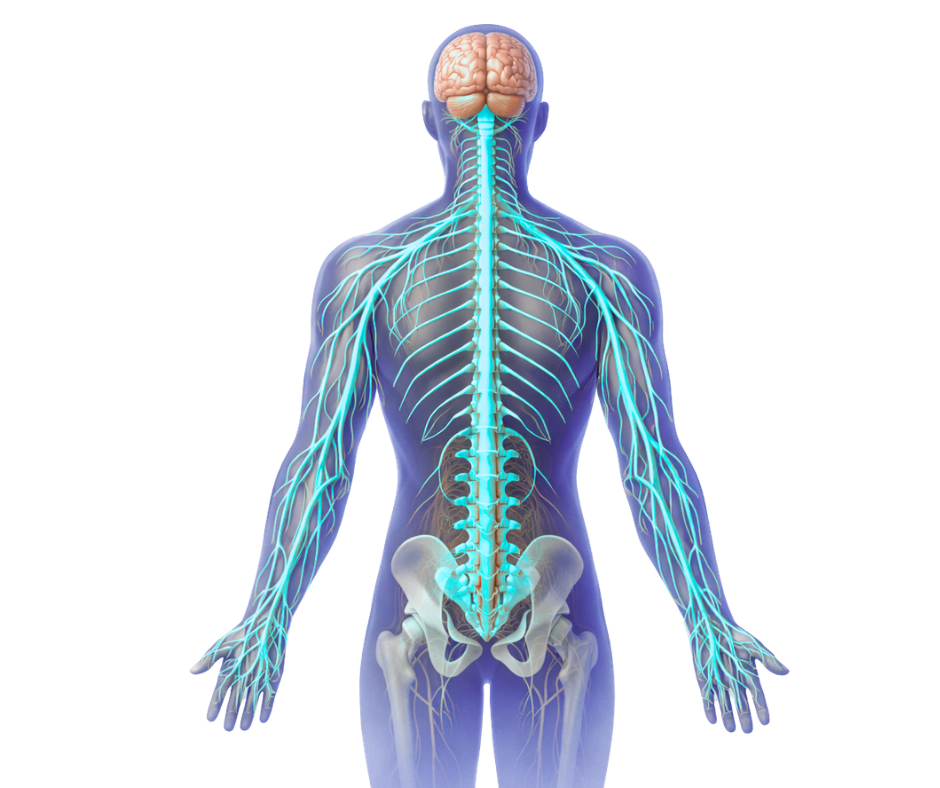
Current evidence recognises FND as a disorder of nervous system functioning, rather than structural damage. Although MRI scans and other investigations may be normal, the symptoms are real, involuntary and often profoundly disabling.
People with FND may experience:
Functional weakness
Gait and balance difficulties
Functional seizures
Tremor or abnormal movements
Persistent pain
Fatigue
Cognitive difficulties
Sensory disturbances
Speech and communication difficulties (such as slurred speech, stuttering or difficulty initiating speech)
Swallowing difficulties
Importantly, FND is not "all in the mind". It is a genuine neurological condition that responds best to education, validation and multidisciplinary rehabilitation.
The Challenge After Diagnosis
One of the biggest barriers to recovery is what happens after diagnosis.
Many patients tell us they finally receive a diagnosis after months—or even years—of investigations, only to leave with little understanding of what FND is or what they should do next.
Others describe years of feeling dismissed because their investigations were normal.
As GPs, your explanation and reassurance can be incredibly powerful. Helping patients understand that their symptoms are real and that recovery is possible often becomes the first step in rehabilitation.
Why a Multidisciplinary Approach Matters
Current Australian recommendations emphasise that FND is best managed using a multidisciplinary rehabilitation approach, with early education and coordinated therapy playing an important role in improving functional outcomes While every person's rehabilitation needs are different, the best outcomes are often achieved when healthcare professionals work together to address the physical, cognitive, emotional and functional impacts of FND.
Depending on an individual's presentation, the treating team may include a neurologist, GP, occupational therapist, physiotherapist, psychologist, speech pathologist and exercise physiologist.
Why Refer to Occupational Therapy?
Occupational therapy focuses on helping people understand their symptoms, regulate their nervous system and gradually return to everyday life.
Rather than simply managing symptoms, we help patients build the skills and confidence to participate in meaningful activities again.
At One 3 Care, our occupational therapy interventions may include:
Specialist neurological occupational therapy
Sensory assessment and regulation
Fatigue and pacing strategies
Cognitive rehabilitation
Peer support at the Spinal Life Australia Healthy Living Centre, Woolloongabba
Collaborative care with the patient's neurologist, GP and other treating clinicians
Peer Support Improves Recovery
Living with FND can be isolating.
One 3 Care also facilitates an in-person FND Peer Support Group at the Spinal Life Australia Healthy Living Centre in Woolloongabba.

Our Peer Support meet up group at Spinal Life, Woolloongabba
The group provides a supportive environment where people can connect with others living with FND, reduce isolation and gain confidence from shared experiences.
When should a GP refer to Occupational Therapy?
Consider referral when your patient has:
Difficulty returning to work
Functional weakness affecting daily activities
Persistent fatigue
Cognitive difficulties
Sensory overload
Speech or communication difficulties affecting participation
Functional seizures impacting independence
Difficulty understanding or managing their diagnosis
Early occupational therapy can help patients develop practical strategies, improve function and regain confidence in everyday life.
Partnering in FND Care
At One 3 Care, we work alongside GPs, neurologists and the wider multidisciplinary team to provide evidence-informed, person-centred occupational therapy for people living with Functional Neurological Disorder.
By combining education, nervous system regulation, practical rehabilitation and peer support, we help patients move beyond simply understanding their diagnosis to actively participating in their recovery.
To discuss a referral or learn more about our FND Programme, please contact the team at One 3 Care .